The best products don’t just solve problems—they weave small moments of delight into your day. That’s the difference between a tool you use and a brand experience you love. And one of the best examples of this is sitting in all of our pockets: the lock screen on the Apple iPhone.
For years, a phone wallpaper was just that—a wallpaper. Static. Background noise. Something you set once and forgot about. But with features like Photo Shuffle and Apple’s increasingly intelligent photo selection, something subtle has changed. Now, almost every time I pick up my phone, I’m greeted by a photo from my own library that feels perfectly framed, beautifully lit, and somehow more powerful than I remember capturing it.
This isn’t just a clever feature. It’s product-as-brand storytelling—proof that the most powerful branding often lives inside the product itself, not in advertising.
A Subconscious Quality Signal
By surfacing my own photos—sometimes ones I’d forgotten about—with beautiful composition and thoughtful presentation, the phone sends a subtle message: premium, thoughtful, high-quality. My photos look better, and by extension the device feels more refined. The experience elevates my own content, which in turn reinforces the perception of the product.
Emotional Anchoring
Sometimes it’s a photo of my kids. Sometimes it’s a moment from a trip. Occasionally it’s a completely forgotten snapshot that suddenly feels meaningful again.
Over time, these moments create a quiet emotional bond with the product. The phone stops feeling like a piece of technology and starts feeling like a companion to your life.
Invisible Intelligence
The other remarkable part is that it just works. The system tends to choose the right photo: no blurry shots, no accidental half-frames, no clutter. It feels curated without asking you to curate anything.
That’s the magic of invisible intelligence—when the technology fades into the background and simply delivers the right moment at the right time.
Branding Through Experience
What the lock screen quietly demonstrates is that every small interaction can act as a brand signal. When a product consistently elevates everyday moments—even something as simple as choosing a wallpaper—it stops feeling like a feature. It becomes a feeling.
My friend Lifang He explores this idea in her book Brand Power Built In, arguing that the strongest brands embed themselves directly into the product experience rather than layering branding on afterward.
Over the last few weeks I’ve noticed Apple seems to have pushed this lock-screen photo experience even further with recent updates to iOS. The photo selections feel smarter, the framing more cinematic, and the overall effect closer to a living, personal gallery than a static screen.
It’s not something you see in a commercial. It’s not even something Apple really talks about.
But every time I pick up my phone—which, admittedly, is probably too many times a day—I get a small moment of joy.
And that’s powerful branding.
Lately I’ve even found myself screenshotting some of those lock screens and sending them to my family. A random Tuesday afternoon suddenly becomes a reminder of a trip, a laugh, or a moment with the kids.
Sorry, kids. You’re now part of the brand experience too.
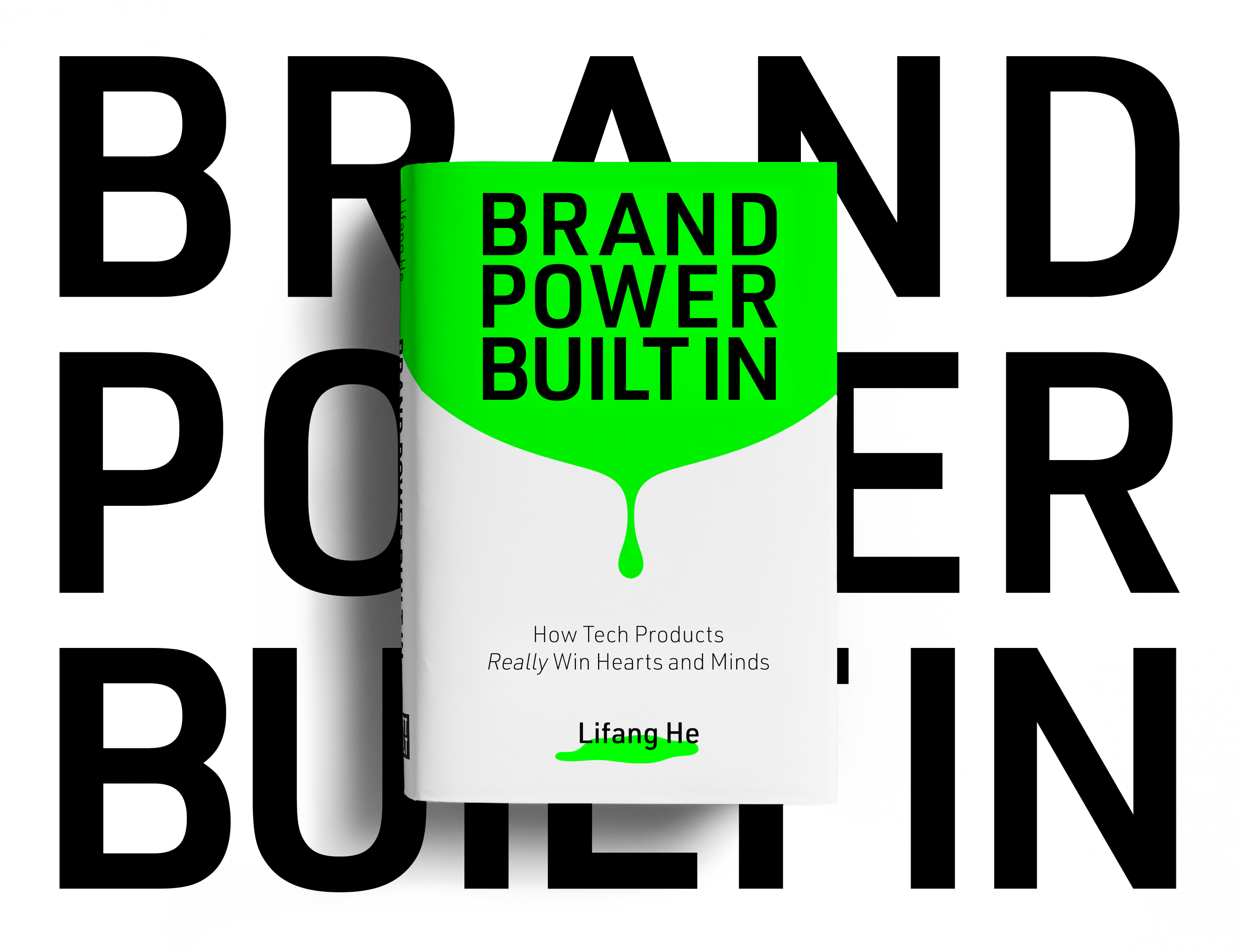
Written for founders, product builders, marketers, business leaders, and anyone driving innovation and growth, Brand Power Built In gives you the insider playbook to win customers’ hearts and minds from day one and across the entire product journey.
