NOT AI.
In an artificial world, the most valuable thing a brand can create might be something real.
I've been thinking a lot about stories recently. Not advertising stories, brand manifestos or the carefully constructed narratives we spend millions producing. But real stories.
The kind you stumble across, remember, share with friends and, occasionally, find yourself spending money because of.
Two brands caught my attention recently. Both reminded me of something fundamental about marketing that I think we're at risk of forgetting.
A store worth talking about.
The first is Tansanmagnesium, a climbing brand that has built an extraordinary flagship store.
At the entrance sits an enormous boulder. To get from the ground-floor café to the shop upstairs, you have a choice. Take the stairs or climb the rock.
The name itself, Tansan, refers to magnesium carbonate, the chalk climbers use to grip the rock. Inside, the architecture continues the narrative through geological forms, climbing-inspired art and a giant sculptural hand.
It's wonderfully simple. Everything about the experience is rooted in the culture of climbing.
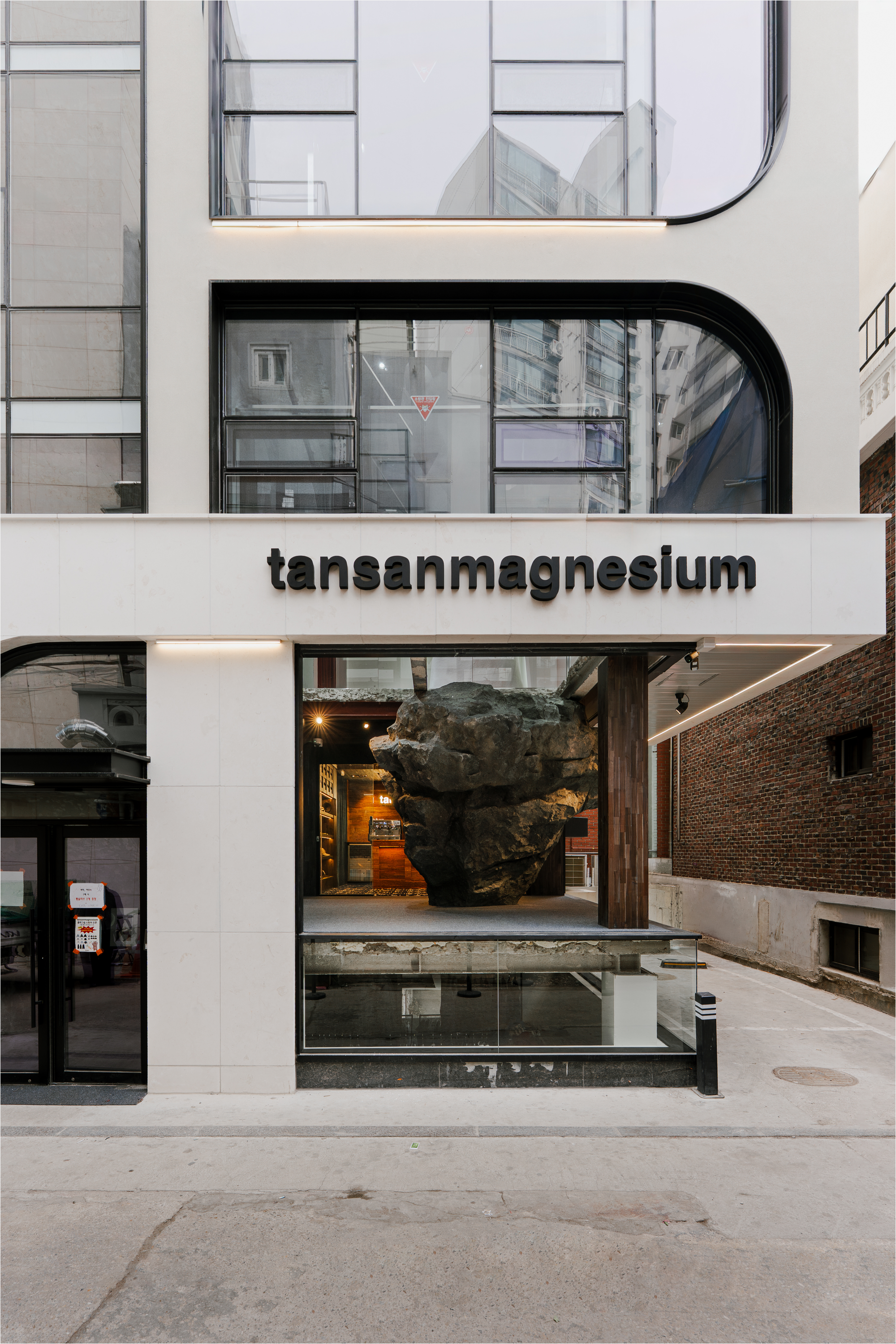
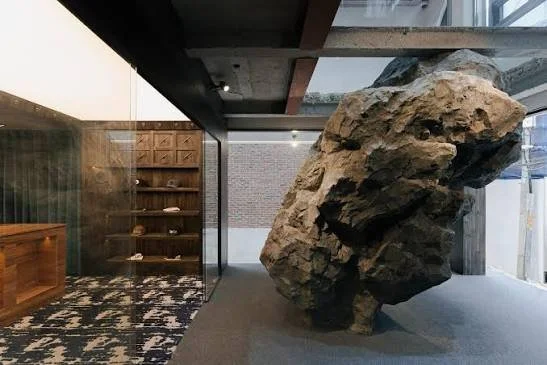
When I described the concept to my wife, her immediate reaction was, “Won't that hurt sales?”
A perfectly reasonable question.
And she's probably right.
Putting an enormous rock between your customers and your merchandise is unlikely to feature in any conventional retail optimization playbook. You're adding friction to a journey that most retailers spend their lives trying to make frictionless.
But that's precisely what makes it interesting.
Perhaps the purpose of the store isn't simply to sell what's inside it. Perhaps the store itself is the marketing.
I haven't visited Tansan. I haven't bought anything from them. But here I am, writing about them.
The story is now committed to my memory. I've told my wife. I'm sharing it with you. And I'm pretty sure I'll buy something from them one day soon.
One physical store has created a story that travels far beyond its walls, reaching people who may never visit it.
Would the boulder reduce conversion in the store? Possibly. But what if it increases awareness, consideration and digital sales across an audience exponentially larger than the number of people who ever walk through the door?
What if the short-term cost of retail friction creates long-term brand value?
What if the store's most valuable output isn't the merchandise leaving through the door, but the stories leaving in people's heads?
A story you can wear.
The second example is a collaboration between fishing gear brand South2 West8 and artist Ben Miller.
Miller paints using a fly-fishing technique. He casts paint with a fishing rod, turning the physical movement of fly fishing into a method of creating art.
It's an extraordinary connection between an artist's process and the culture of the brand.
The collaboration produced a collection that included a jacket I became rather obsessed with.
And I bought one.
Admittedly, I found it secondhand, from Sweden, through Grailed.com.
So the brand didn't get a direct sale from me. At least not that time.
But that's almost beside the point.
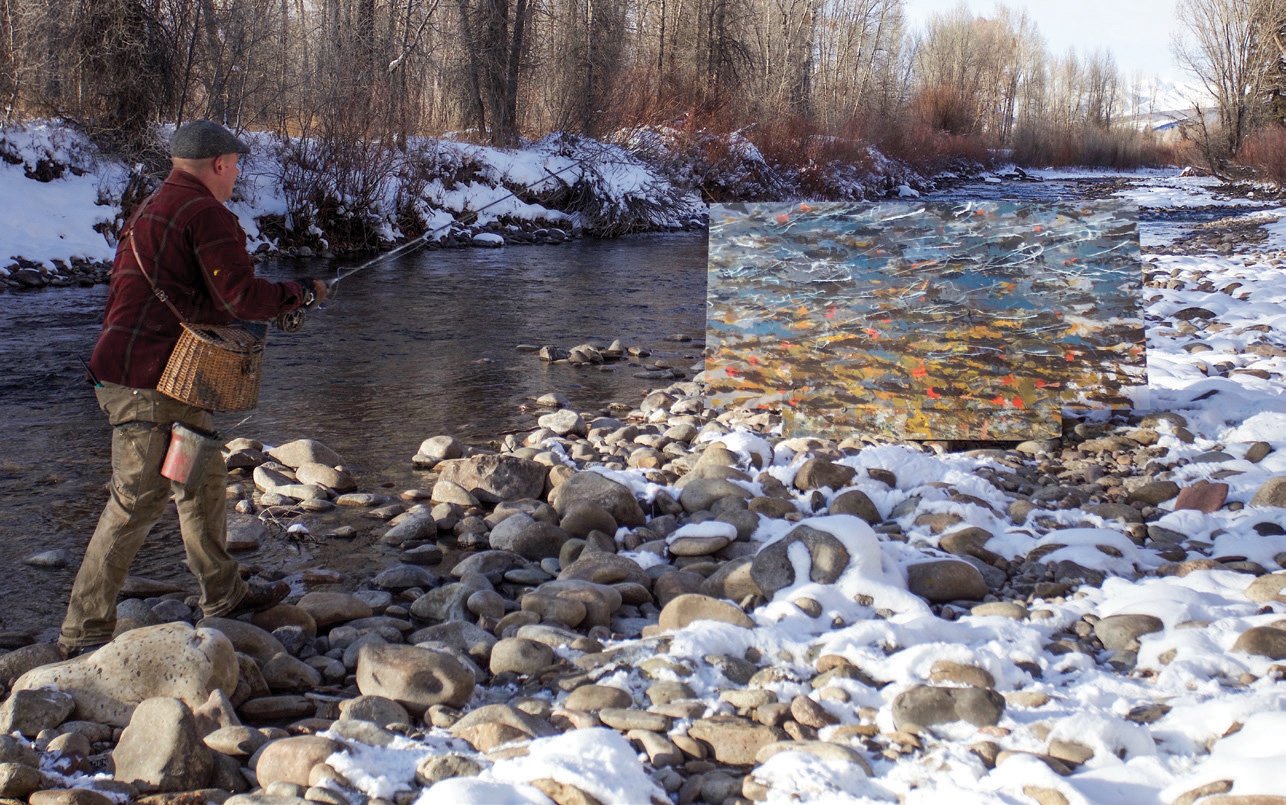
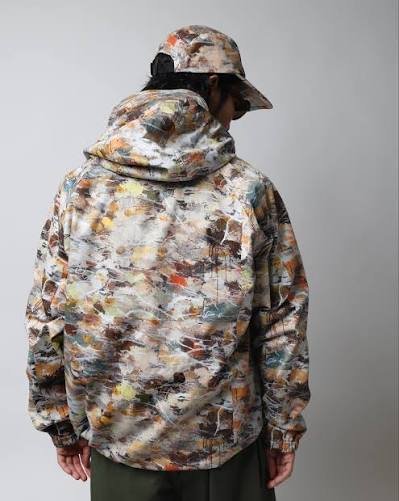
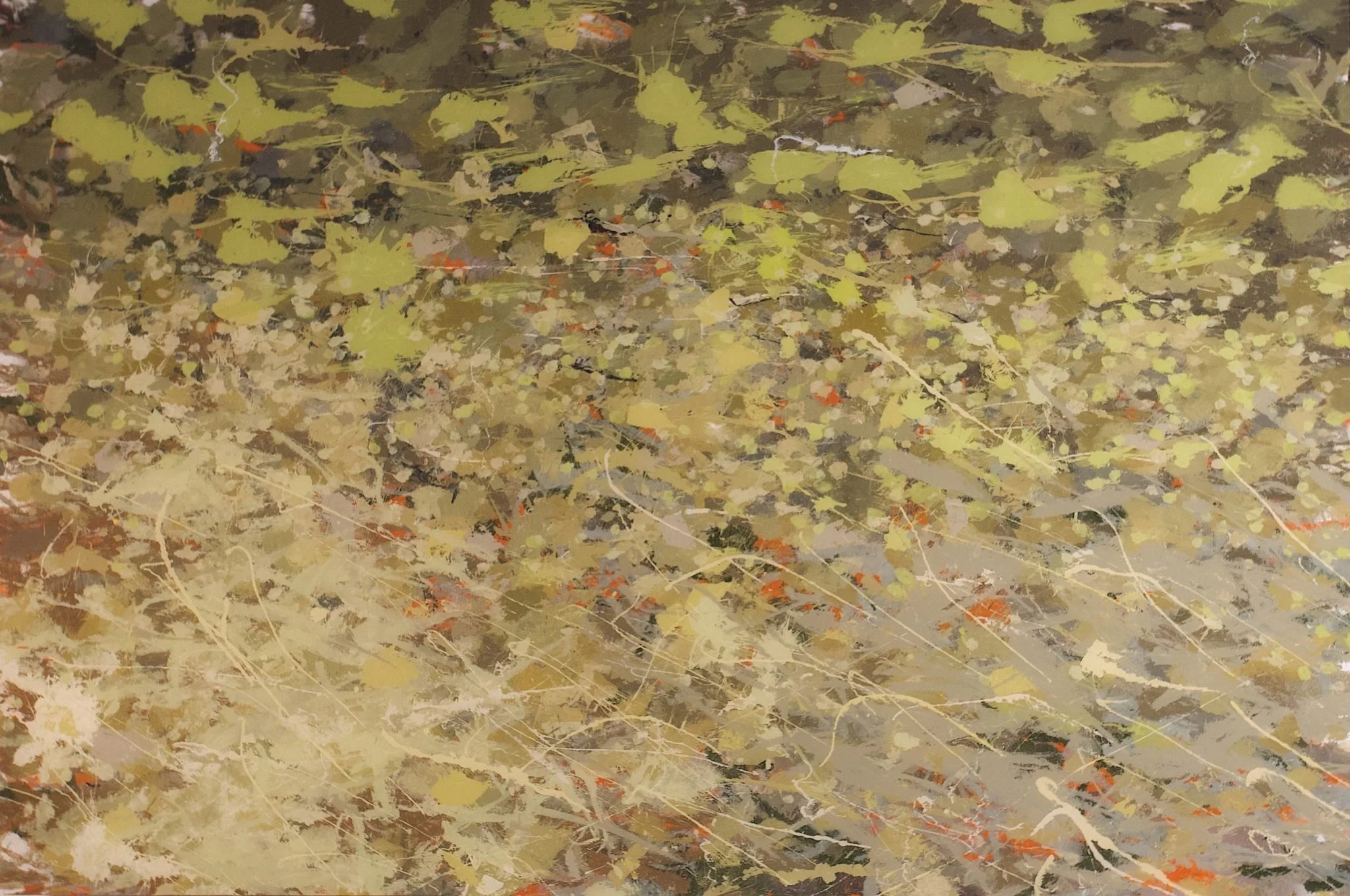
The collaboration made me aware of the brand. It created desire. It sent me looking for the product. And it gave me a story I wanted to share.
I'm now writing about it.
I became the brand voice. A small, unpaid marketing engine, powered entirely by my enthusiasm for an idea.
Nobody targeted me with a media plan. Nobody needed to retarget me with a promotional offer. I wasn't persuaded by a list of product benefits.
I was drawn in by a story that felt genuinely connected to the world the brand inhabits.
The difference between telling a story and creating one.
We spend an extraordinary amount of time in marketing asking ourselves what story we should tell.
What's the proposition? What's the campaign? What's the message? What's the content strategy?
But perhaps we're starting in the wrong place.
Tansan didn't just create a story about climbing. It created an experience worth talking about.
South2 West8 didn't simply hire an artist to decorate a jacket. It found an artist whose creative process was intrinsically connected to fishing.
Neither feels like marketing in the conventional sense.
Both are examples of brands doing something interesting enough that other people want to tell the story for them.
The audience becomes the distribution. The customer becomes the storyteller.
We have become exceptionally good at producing content. I'm not sure we've become equally good at producing things worth talking about.
The paradox
And then there's AI.
We're entering a world where almost anything can be generated.
Beautiful photography without a photographer. Films without cameras. Paintings without paint. People who don't exist telling stories that never happened.
The technology is extraordinary. I use it, I'm excited by it, and I believe it will fundamentally change the way we work.
But I also think it will create an interesting counterreaction.
As artificial content becomes abundant, authentic human experience may become increasingly valuable.
Not because AI can't produce beautiful things. It absolutely can.
But because there's a difference between an image of someone climbing a rock and someone actually climbing one.
There's a difference between generating an image of a painting and watching an artist cast paint with a fishing rod.
One is a representation of an experience. The other is an experience.
Authenticity is knowing that something actually happened, and understanding why it matters.
A giant rock in a shop is arguably absurd. Painting with a fishing rod is arguably absurd. But they're both wonderfully human. And I remember them.
Maybe we've been measuring the wrong things.
Marketing has become increasingly sophisticated in its ability to measure immediate outcomes.
Clicks. Conversions. Attribution. Return on advertising spend.
All important.
But these metrics don't always capture the value of an idea that stays with someone for years, changes how they feel about a brand and eventually influences what they buy.
The Tansan store may sell fewer products to some visitors because of its unusual layout. I don't know. But it has already reached me without my ever setting foot inside it.
The South2 West8 collaboration didn't generate a direct retail sale from my jacket purchase. But it generated awareness, desire, a secondhand transaction and now another piece of advocacy.
Neither story has finished working. And neither brand had to pay me to tell it.
Of course, we should measure these things. Brand search, earned reach, digital conversion, customer acquisition, lifetime value. The commercial effects are real hypotheses worth testing, not something we should simply assume.
But we should be careful not to optimize away the very things that make a brand interesting.
Sometimes a little friction creates a lot of conversation. Sometimes the least efficient part of an experience creates the most valuable part of the brand. And sometimes the best advertising isn't advertising at all.
What comes next
In an artificial world, our human nature will take us back to what's real.
I don't believe the future is anti-AI. Quite the opposite. AI will make us faster, more capable and more creative in ways we're only beginning to understand.
But as the world becomes increasingly synthetic, I suspect we'll become more interested in the things that cannot simply be prompted into existence.
Real experiences. Human craft. Physical participation. Unexpected ideas. Genuine connections between people and the things they love.
We'll want to know who made something. Why they made it. How they made it. What happened along the way.
For brands, that creates an extraordinary opportunity: not simply to use AI to make more content, but to invest in creating more things worth making content about.
The goal shouldn't just be to tell better stories. It should be to give people better stories to tell.
And perhaps the most powerful marketing engine of the future won't be artificial intelligence at all.
It will be human enthusiasm.
One person telling another person a story they simply couldn't keep to themselves.
Like a giant rock in a shop.
Or a jacket painted with a fishing rod.
Or me, telling you about both.
